


💡 Quick Answer: What is a Lunge?
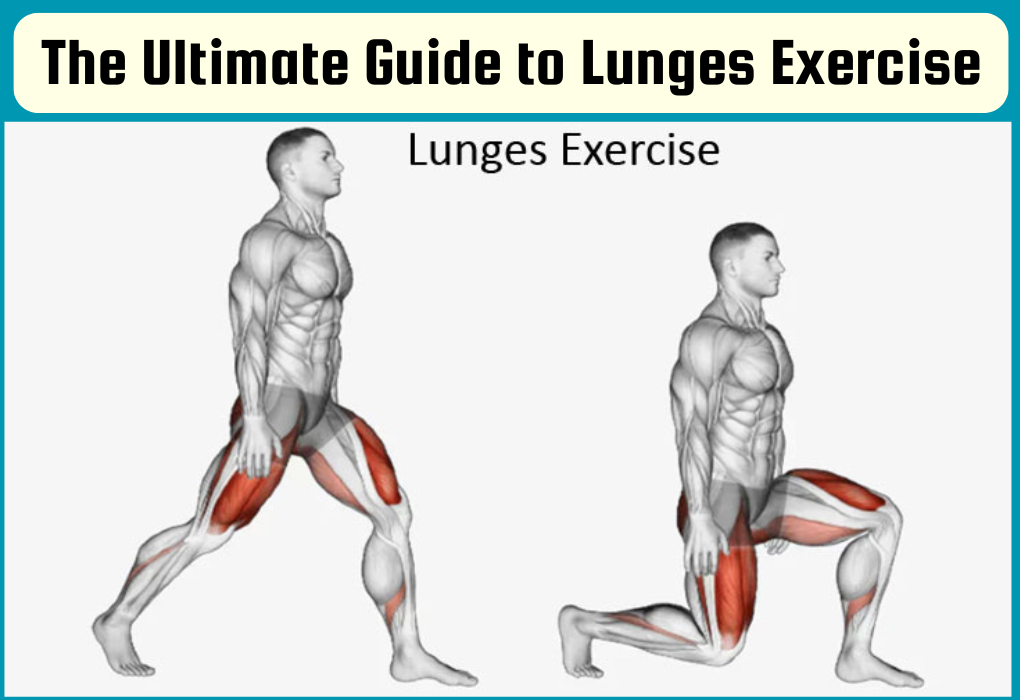
A lunge is a highly effective unilateral (one-legged) strength exercise that targets the quadriceps, glutes, hamstrings, and calves. By working one leg at a time, lunges correct muscle imbalances, improve balance, and engage the core for stability. It is a foundational movement for lower body strength and overall functional fitness.
If squats are the king of lower body exercises, lunges are undeniably the queen. While squats are fantastic for building raw, bilateral power, life rarely happens with both feet planted perfectly side-by-side. Think about walking up stairs, catching yourself when you trip, or playing a pickup game of basketball—you are constantly shifting your weight from one leg to the other.
That is where the lunge comes in. Here at Be Own Life, we love exercises that give you the biggest bang for your buck. Lunges not only tone and strengthen your legs, but they also expose and fix those sneaky muscle imbalances we all have.
Ready to level up your leg day? Let’s dive into how to execute the perfect lunge, why your body needs this movement, and how to modify it if you’re just starting out.
🏋️♂️ How to Do a Perfect Forward Lunge
Lunges can feel a bit wobbly when you first try them. That is completely normal! Your stabilizing muscles are just waking up. Here is how to nail the form step-by-step:
- The Setup: Stand tall with your feet hip-width apart. Keep your core braced, your chest proud, and your gaze looking straight ahead.
- The Step: Take a large, controlled step forward with your right foot. Plant your right foot firmly on the ground, keeping your weight primarily in your front heel.
- The Descent: Lower your hips straight down toward the floor until both knees are bent at a 90-degree angle. Pro Tip: Your front knee should be directly above your ankle, and your back knee should hover just an inch or two above the ground.
- The Ascent: Push off your right foot—driving through the heel—to explosively return to the starting position. Alternate legs and repeat.
“Don’t step out like you’re walking on a tightrope. Keep your feet hip-width apart even as you step forward. Think of stepping on train tracks, not a single line!”
🔰 Beginner-Friendly Lunge Variations
If forward lunges feel too harsh on your knees or you’re struggling to keep your balance, don’t worry. Try these excellent modifications:
- The Reverse Lunge: Instead of stepping forward, step backward. This variation keeps your momentum shifting back, which puts significantly less stress on the knee joint of your front leg. It is highly recommended for beginners!
- The Static Lunge (Split Squat): Get into the bottom lunge position, and instead of stepping your feet together after each rep, just push yourself up and down in place. This removes the balancing act of the “step” so you can focus purely on strength.
- Assisted Lunges: Hold onto a wall, a sturdy chair, or a TRX strap while you lunge. This gives you extra stability while your legs and core get used to the movement.
🔥 The Huge Benefits of Lunging
Why are fitness experts so obsessed with lunges? Because the benefits carry over into almost everything else you do.
1. Fixes Muscle Imbalances
We all have a dominant leg. Lunges force your weaker side to pull its own weight without relying on your stronger leg to take over (which often happens during squats).
2. Boosts Core Stability
Because you are balancing on a staggered stance, your deep abdominal and lower back muscles have to fire constantly to keep you from falling over.
3. Improves Flexibility & Posture
The lunge actively stretches the hip flexor of your back leg. Since most of us sit at desks all day, opening up those tight hips does wonders for lower back pain and posture.
🤔 Who Are Lunges Suitable For?
Lunges are fantastic for almost everyone, from athletes looking to improve their sprinting speed to everyday folks wanting to climb stairs with ease.
However, if you have acute knee pain, osteoarthritis in the knees, or balance issues, forward lunges might be too aggressive. For those individuals, reverse lunges or static split squats are a much safer alternative. Always listen to your body—your muscles should burn, but your joints shouldn’t ache.
❓ Frequently Asked Questions (FAQ)
Why do my knees hurt when I lunge?
Knee pain during lunges usually happens because your front knee is pushing too far past your toes, or your weight is in the ball of your foot instead of your heel. Try switching to reverse lunges to immediately reduce knee strain.
Are lunges better than squats?
They aren’t “better,” they are just different! Squats are better for building overall heavy mass, while lunges are superior for fixing imbalances, improving balance, and activating the glute medius. You should ideally do both!
Should my back knee touch the floor?
It shouldn’t slam into the floor! You can let it gently tap the ground to ensure you are hitting full depth, but for most people, hovering about an inch above the floor is the safest and most effective range of motion.
Written by the Be Own Life Editorial Team
At Be Own Life, we are dedicated to bringing you practical, science-backed lifestyle and wellness advice. Our content is reviewed by fitness advocates and health enthusiasts to ensure you get safe, effective, and actionable tips to build your best life.

