


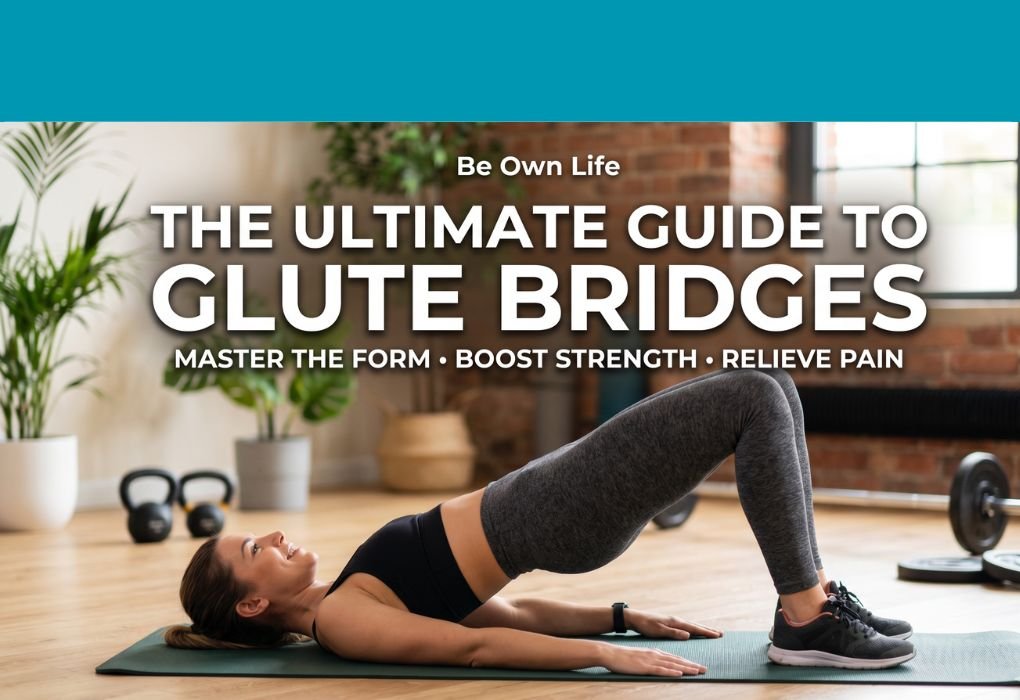
💡 Quick Answer: What is a Glute Bridge?
A glute bridge is a highly effective, low-impact lower body exercise performed while lying on your back. By thrusting your hips upward, it directly targets the gluteus maximus and hamstrings while simultaneously engaging the core for stability. It requires zero equipment, making it an essential movement for building glute strength, improving posture, and relieving lower back pain caused by prolonged sitting.
Let’s face a modern-day reality: we sit way too much. Whether it is commuting, working at a desk, or relaxing on the couch, all that sitting leads to a common phenomenon known as “glute amnesia” or dead butt syndrome. When your glutes forget how to fire properly, your lower back and knees end up taking on stress they were never meant to handle.
Enter the glute bridge. Here at Be Own Life, we consider this exercise the ultimate antidote to the desk-bound lifestyle. It is a subtle, floor-based movement that packs an incredible punch for your posterior chain.
Whether you want to build a stronger backside, protect your spine, or warm up before a heavy lifting session, the glute bridge is your best friend. Let’s break down exactly how to do it right, so you actually feel the burn where you’re supposed to.
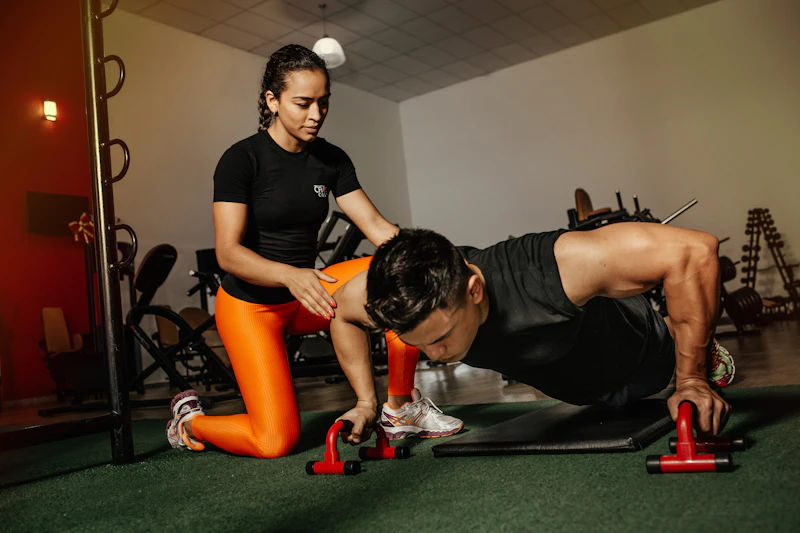
Squeezing at the top of the movement is the secret to a perfect glute bridge.
🏋️♂️ How to Do a Perfect Glute Bridge
The glute bridge looks simple, but small tweaks in your form can be the difference between a great glute workout and a sore lower back. Here is the step-by-step breakdown:
- The Setup: Lie flat on your back on a yoga mat. Bend your knees and place your feet flat on the floor, about hip-width apart. Your heels should be close enough to your body that you can just graze them with your fingertips.
- The Core Engagement: Tuck your pelvis slightly so your lower back is flat against the floor. Brace your core tightly.
- The Ascent: Drive your weight through your heels and squeeze your glutes to lift your hips toward the ceiling. Pro Tip: Lift until your body forms a straight line from your knees to your shoulders. Do not arch your lower back to push your hips higher!
- The Descent: Pause and squeeze your glutes hard at the very top for a full second, then slowly lower your hips back down to the floor with control.
“If you feel this exercise in your lower back, you are likely pushing your hips up too high. Focus on the squeeze in your backside, not the height of the bridge.”
🔰 Glute Bridge Variations for Every Level
Once you master the basic bodyweight glute bridge, it is incredibly easy to progress the exercise to keep challenging your muscles. Try these variations:
- The Frog Pump: Lie on your back, but instead of keeping your feet flat, press the soles of your feet together and let your knees drop outward (like a butterfly stretch). Bridge up from this position to heavily target the outer glutes.
- Single-Leg Glute Bridge: Perform the standard setup, but extend one leg straight out. Drive through the heel of the planted foot. This immediately doubles the workload on your working glute and challenges your core stability.
- Weighted Glute Bridge: Place a dumbbell, kettlebell, or a barbell across your hip crease. Hold the weight in place with your hands and perform the bridge exactly as you normally would. This is the key to actual muscle growth!
🔥 The Huge Benefits of Glute Bridges
Why should you spend time thrusting your hips at the ceiling? Because strong glutes change everything.
1. Kills Lower Back Pain
Weak glutes force your lumbar spine to take over during daily movements. By strengthening your backside, you give your lower back the support it desperately needs, often eliminating chronic pain.
2. Improves Athletic Performance
Your glutes are the largest and most powerful muscles in your body. Strengthening them will make you run faster, jump higher, and lift heavier.
3. Zero Knee Strain
Unlike squats or lunges, which can aggravate bad knees, the glute bridge requires no deep knee flexion. It is the perfect way to build leg strength if you are recovering from knee issues.
🤔 Who Are Glute Bridges Suitable For?
The glute bridge is one of the most universally accessible exercises in existence. It is suitable for everyone.
From absolute beginners taking their first steps into fitness, to pregnant women looking for safe pelvic floor and core exercises, all the way to elite powerlifters warming up for heavy squats—the glute bridge belongs in your routine. Because you are fully supported by the floor, the risk of injury is incredibly low.
❓ Frequently Asked Questions (FAQ)
Why do my hamstrings cramp during glute bridges?
If the back of your thighs are doing all the work and cramping up, your feet are probably too far away from your body. Walk your heels a few inches closer to your glutes and make sure you are actively driving through your heels, not your toes.
Can glute bridges actually build a bigger butt?
Yes! While bodyweight bridges are great for toning and waking up the muscles, to see serious growth (hypertrophy), you will need to add resistance. Start incorporating weighted glute bridges or barbell hip thrusts to see noticeable changes.
How often should I do glute bridges?
Because they are low-impact, you can do bodyweight glute bridges almost every day as a warm-up or mobility drill. If you are doing heavy, weighted bridges, stick to 2-3 times a week to allow for muscle recovery.
Written by the Be Own Life Editorial Team
At Be Own Life, we are dedicated to bringing you practical, science-backed lifestyle and wellness advice. Our content is reviewed by fitness advocates and health enthusiasts to ensure you get safe, effective, and actionable tips to build your best life.

